
 Cambodia: Why worker voices matter
 Keep on placing emphasis on social dialogue
"Our efforts are bearing fruit," says Noel Chadaré, leader of partner trade union COSI in West African Benin. He is referring to the announcement that the government will increase the minimum wage. For a long time, COSI and other trade unions put pressure on the government to do so.
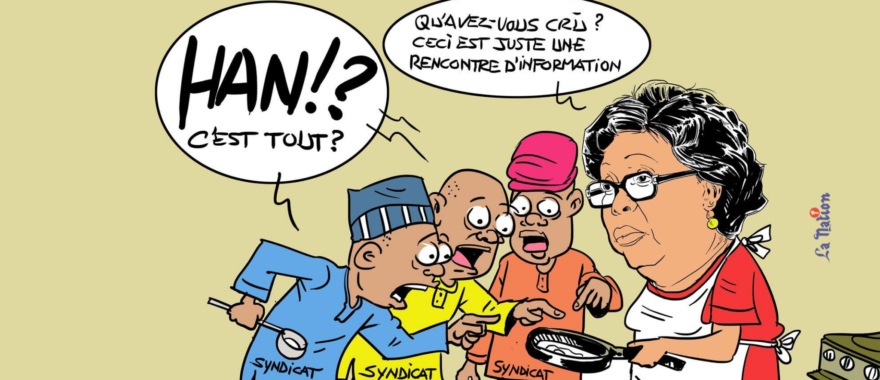
“Hey, is that it?!”
“What’d you expect? This is just an information meeting.”
Since 2016, when Talon became president of Benin, the country has been following a liberal course. This doesn’t work well for many people working in terms of salary, social benefits and taxation. COSI frequently consulted with other trade unions on improving the position of workers and also regularly spoke with employers’ organisations and authorities.
The minimum wage was on the agenda time and again. Even in the media and during public speeches, raising the minimum wage was always an issue to discuss. According to Chadaré, it is important to keep talking about this and to convince the government of the importance of a good social dialogue: "It’s a matter of holding on to our powers of persuasion. The fight is never over. Our goal now is to make sure that the extent to which the minimum wage is increased actually makes a difference to people working in terms of a better quality of life." It remains important for the union to keep a close eye on the actual implementation of a higher wage.
"Our goal is that the increase in the minimum wage, for workers actually makes a difference to a better quality of life"
- Noël Chadaré, leader of partner trade union COSI-Benin
Cambodia: Why worker voices matter  Vietnam: Strengthening trade unions from within
 Niger: The road towards recognition
  Colombia: Renewable energy and economic diversification
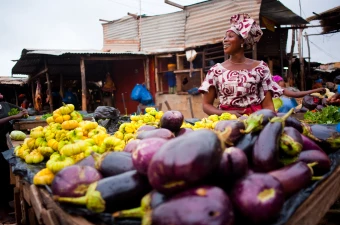 Mali: Commitment to change
 Indonesia: From dangerous roads to safer workplaces
 Cambodia: Newly established union ensures social security for palm oil workers
 Vietnam: Becoming a trainer of trainers has shown me a new path forward
 Indonesia: Helping workers through TikTok
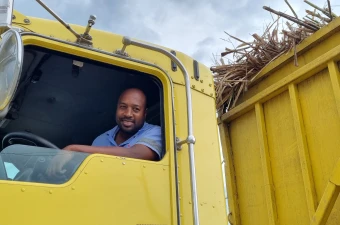 Bolivia: Empowering Sugarcane Workers
 Colombia: Transforming Labour Conditions at Cerrejón
 Guatemala: The Establishment of the First Union in Palm Oil
 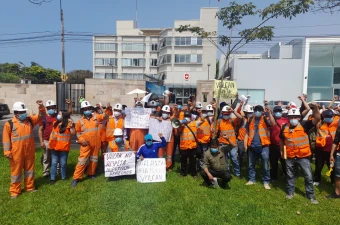 Peru: Mining Union Triumphs in Fight for Union Freedom
 Benin: Paving the way for constructive social dialogue for national progress
 Côte d'Ivoire: Improving workers’ rights and introducing complaint mechanisms
 Mali: A crucial step towards equality for men and women in Mali trade unions
 Niger: Re-shaping the landscape of social dialogue
 Senegal: Enabling youth to enrol in skills for job training
 Indonesian garment worker's brave battle against sexual harassment inspires collective ac...
 The story of miner Deivis Villegas from Colombia
 Colombia: Trade unions negotiate improved working conditions and a living wage
 Senegal: Working together for youth employment
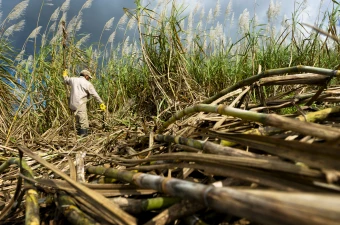 9,5% pay rise for sugar cane workers
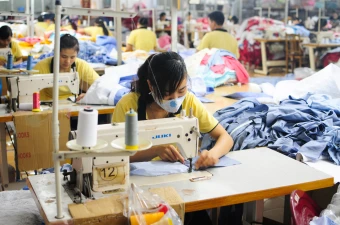 Vietnam: Social dialogue increases transparency and respect
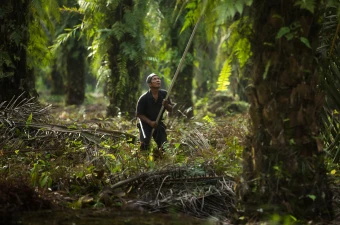 Indonesia: Safety shoes and paid time off
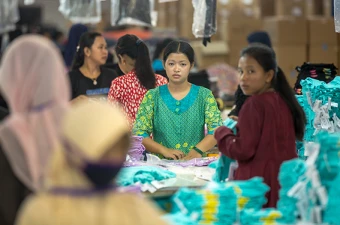 New legislation against sexual violence in Indonesia
  Cambodia: 2.3 million Cambodian workers acquire pension rights
 Break the silence in Benin
  A living wage would change so much
 The first union for miners without permanent contracts ensures everyone knows their rights
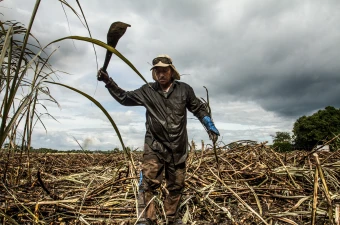 The only sugar trade union in Guatemala is stronger now
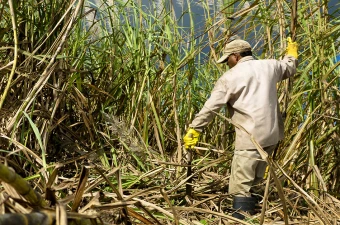 Solving problems in the sugar sector together
 Preventing the lowering of the minimum wage with data based arguments
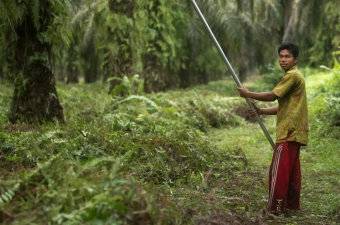 Good dialogue leads to agreement
 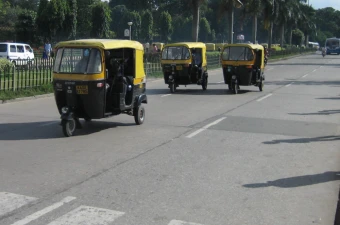 Tuk-tuk drivers get access to health insuranceFrom strike to social dialogue in Mali
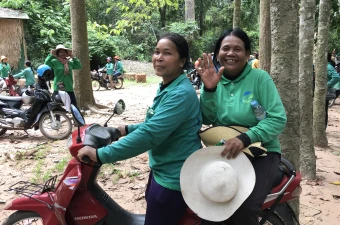 Social security and wage increase for temple cleaners in Cambodia
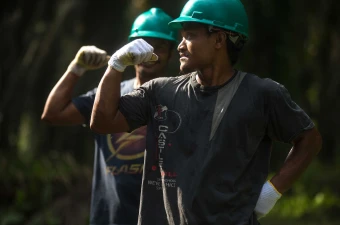 New collective agreement for palm oil workers on more plantations in Indonesia
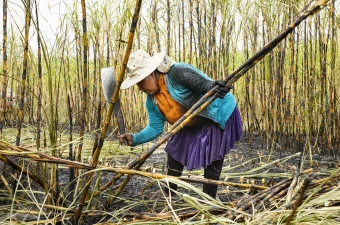 In Bolivia, women on the board lead to innovation of the sugarcane trade unionBenin raises minimum wage
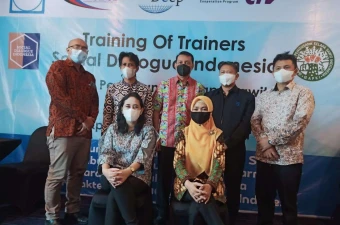 Indonesia's Omnibus Law postponed thanks to persistent opposition
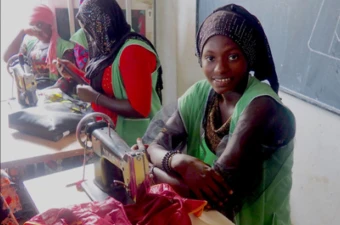 Internships and jobs for youth
 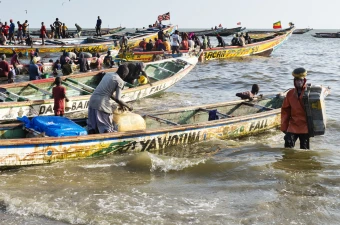 Story - The University of Life
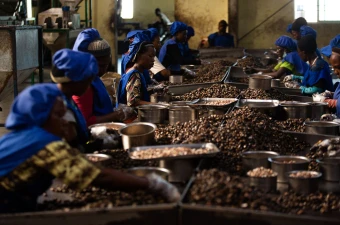 Breaking the silence around violence and harassment
 New large-scale employment plan with more internships
 Education unions make a difference in Niger
Publication date 17 04 2022
Benin: Paving the way for constructive social dialogue for national progressColombia: Trade unions negotiate improved working conditions and a living wageBreak the silence in Benin