How to integrate meaningful stakeholder engagement across human rights due diligence processes in the garment sector
As a partner of the Sustainable Textile Initiative: Together for Change (STITCH) CNV Internationaal contributed to the development of the new Technical Guidance on Meaningful Stakeholder Engagement in the Garment, Apparel and Textile Sectors. This guidance equips brands with concrete tools to strengthen their human rights due diligence (HRDD) and ensure garment workers’ voices drive lasting improvements in supply chains at a time of increasing legal and reputational pressure.
Meaningful stakeholder engagement (MSE) is essential for improving working conditions, ensuring decisions are made collaboratively with worker representatives, suppliers, civil society, and other stakeholders, while also helping brands reduce operational and reputational risks.
Its importance is reflected in the German Supply Chain Act and the EU Corporate Sustainability Due Diligence Directive (CSDDD) in particular. The recently published Omnibus Simplification Package proposes reducing this legal obligation, making it paramount to have an internationally recognised and implemented framework for meaningful engagement, to be applied by all.
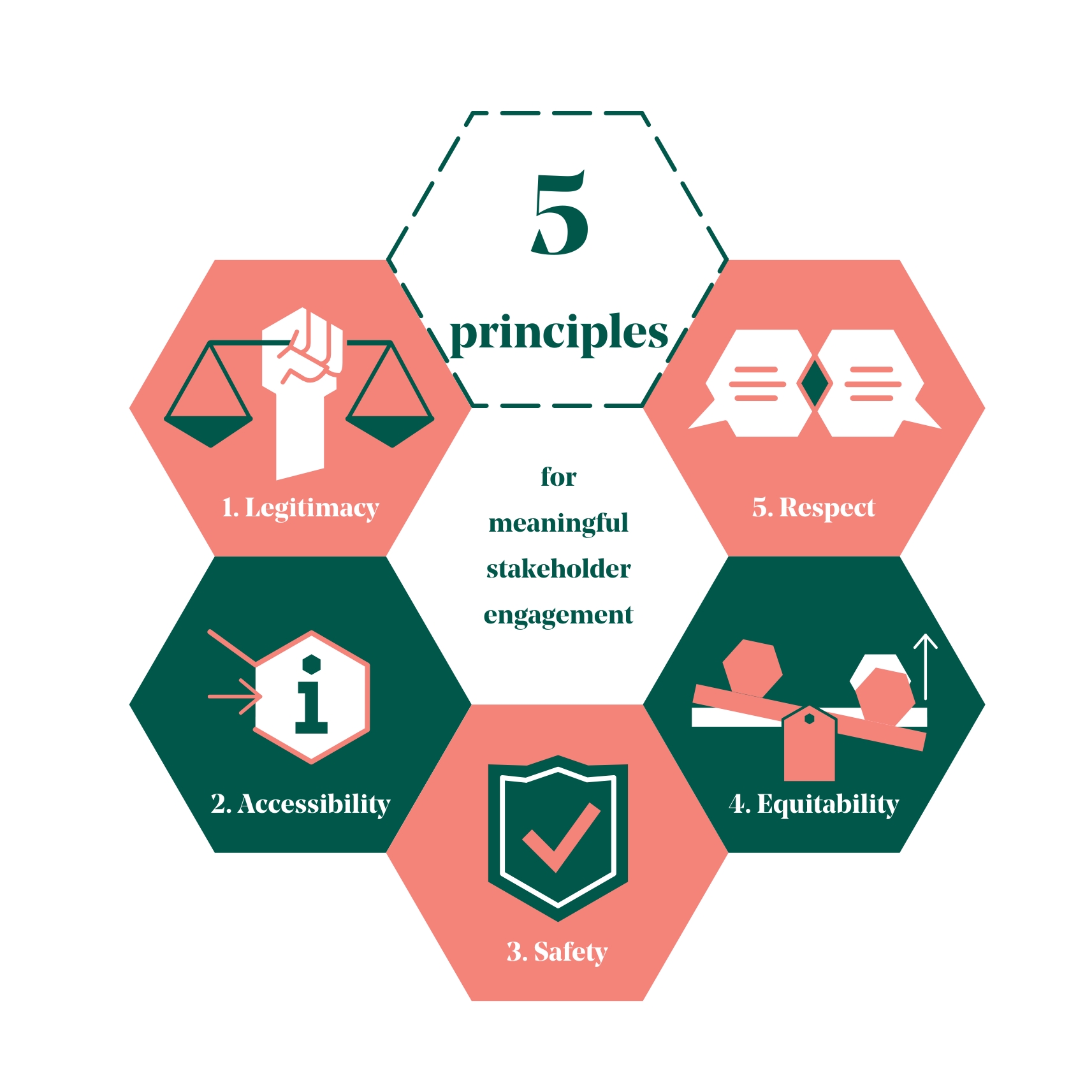
Until recently, however, there was no cross-sectoral standard on how to apply MSE as a crucial part of HRDD in practice. To fill this gap, the STITCH Partnership, a consortium of six organisations— CDI, Cividep India, CNV Internationaal, Ethical Trading Initiative, Fair Wear Foundation, and Mondiaal FNV—launched the Framework on Meaningful Stakeholder Engagement in February 2025, outlining five key principles for impactful MSE in all sectors: legitimacy, accessibility, safety, equitability, and respect.
The new Guidance builds on these principles and tailors them to the realities of the global garment, apparel, and textile industry, where human rights risks remain pervasive, and workers’ voices too often go unheard.
“Meaningful stakeholder engagement, when done well, strengthens workers in asserting their rights, helps open the eyes of employers to the value of social dialogue, and stimulates suppliers and workers to align on what they ask from brands.
This alignment is also in the interest of European businesses that take their due diligence seriously—they hear first-hand what needs to change, and what works in practice to address human rights and environmental risks.
This allows them to target their efforts more efficiently and with real impact STITCH’s deep connections to trade unions, supplier organisations, brands and industry associations, make this Guidance uniquely valuable to businesses, stakeholders, regulators and policy makers alike.”
— Alexander Kohnstamm, Chair of STITCH
Who is this guidance for?
The Guidance is designed for companies across the garment sector, regardless of size or maturity in their HRDD journey—from those just starting out to those with advanced systems in place. It provides practical insights and tools to support MSE at every step of the HRDD cycle:
- embedding responsible business conduct into policies and management systems;
- identifying and assessing adverse impacts;
- ceasing, preventing or mitigating adverse impacts;
- tracking implementation and results;
- communicating how impacts are addressed;
- (providing for or cooperating in remediation where appropriate).
It is also a useful reference for a wide range of other stakeholders, including rights-holders, governments, civil society and NGOs, multistakeholder initiatives and industry bodies, as well as suppliers.
What's inside?
The Guidance is structured into three core sections:
- Section 1: Why is MSE important in the garment sector? Explores the sector’s structural characteristics, common engagement barriers, and relevant legal frameworks.
- Section 2: How do I design the stakeholder engagement process? Provides hands-on advice on planning, executing, measuring and communicating outcomes of stakeholder engagement.
- Section 3: When should stakeholder engagement happen? Offers tools and recommendations for embedding MSE throughout all six steps of the HRDD process
What is meaningful stakeholder engagement?
Meaningful stakeholder engagement is a genuine, ongoing, two-way dialogue between an organization and those affected by or who can influence its activities, focused on understanding and addressing their interests and concerns. It moves beyond superficial communication to enable stakeholders to influence decision-making, leading to tangible, positive impacts. Key elements include listening actively, fostering trust, ensuring inclusion of diverse voices, and demonstrating visible change as a result of the engagement process.
Publication date 17 09 2025
 Too hot to work? For millions of workers, it’s not a choice
 Fair Work Monitor Cambodia 2025 reveals persistent wage gaps
  New Alliance for Sustainable Clothing, Textiles and Shoes